Tuesday, 30 January 2018

Why Durgesh Group is Top Cenosphere Manufacturer India

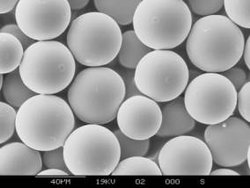
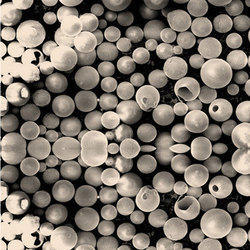
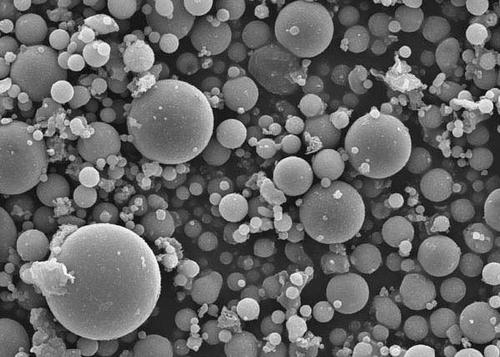
A Cenosphere is a substance that is basically made with air or rather says inert gas. It is produced as a byproduct of the coal combustion at thermal power plants. What Cenosphere buyers prefer is:
  • That is cost efficient.
  • That is low on shrinkage.
  • That has low density.
  • That has high strength.
  • That has improved flow ability.
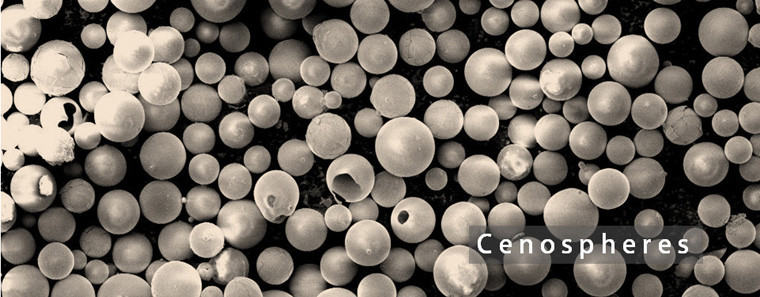
A Cenosphere is null and void circle which is generally inactive and is light in weight. It is made up of the silica and alumina. These are empty ceramic micro spheres. These are found in fly ashes as a result of byproduct of coal combustion at thermal power plants. The electric force makes the Cenospheres to weigh down with torpid gas or air. The Cenospheres are used as fillers in most of the things. It is also used in assembling of paints, plastics and many more. The features and physical properties of the Cenospheres make it possible for one to use it in both wet and slurry surfaces. Of course, because of the light weight, Cenospheres are not at all hard to handle and it also gives a low surface district volume to much extend.

There are a number of benefits that Cenospheres Manufacturer in India gives to its suppliers. Some of the benefits from Cenospheres Manufacturer in India are as follows:
  • Enhanced lubricity
  • Higher filling loading
  • Low shrinkage property
  • Light in weight
  • Lower viscosity
These are the only reasons so as to why Cenospheres are called as hollow spheres with hard shell. These are appropriate for its usage in oil and gas well cementing industry because there requires a high adhesion, flow and less gravity is required. Cenospheres are blended in the mixture of cement as in lighten the weight of the cement. There are many natural characteristics of Cenosphere Manufacturer in India. Cenospheres are small in size and has high compressive strength. It is unique, free flowing, hard shelled, hollow and void spheres and light in weight are produced as a byproduct of the coal combustion at thermal power plants. 

Tips to Buy Cenosphere from India

One thing which has made easy to process the Cenosphere is due to its high quality and due to this it has made it free from sinkers. Thus, in Cenosphere processing plants, these are claimed before using. A Cenosphere is a substance which is light in weight, filled with air or inert gas, hollow sphere and made up of silica and alumina. The color of Cenosphere from India may differ as from gray to almost white. The density of Cenosphere is about 0.4 to 0.8 g/cm3. This property of Cenosphere gives them a great resistance. Cenosphere is hard but rigid, light in weight, waterproof, innoxiously and insulative material. 

Therefore, a Cenosphere buyer from India prefers to buy Cenospheres from India having physical properties like this:
  • The particle size of the Cenosphere should be 5 to 500. 
  • The density of the Cenosphere should be 0.45 gms/cc.
  • The moisture of the Cenosphere should be less than 2.5%
  • The sinkers of the Cenosphere should be less than 5%.
  • Hardness of the Cenosphere should be 5-6 scale.
  • Loss of the Cenosphere on ignition should be at maximum 2%.
  • The melting point of it should be 1250 to 1450°C.
  • The solubility in water should be negligible.
The Cenosphere buyers use this product for the following purposes such as Ceramics, Recreations, Automotive and Construction. 

The Cenospheres from India are used in construction purposes such as: 
  • Special cement
  • Roofing material
  • Used in mortars
  • Coatings
  • Acoustical panels
  • Gunite
The Cenospheres are used in Recreation purposes such as:
  • Goal equipment
  • Flotation devices used in Marine crafts 
  • Surf boards
  • Bowling balls
  • Lawns and garden decors
  • Footwear
  • Kayaks 
The Cenospheres are used in automotive purposes such as:
  • Tires
  • Undercoating
  • Composites
  • Brake pads
  • Engine parts
  • Trim moldings
  • Body filters
  • Sound proofing materials
  • Plastics
The Cenospheres are used in ceramics such as:
  • Fire bricks
  • Tiles making
  • Insulation of wires
  • Castables
  • Aluminum cement
  • Material coatings
  • Injection molding
  • Extruding PVC flooring
  • High density polyethylene
  • Nylon
  • Polypropylene
  • Low density polyethylene

Monday, 25 December 2017

Use of Cenosphere in Various Industries

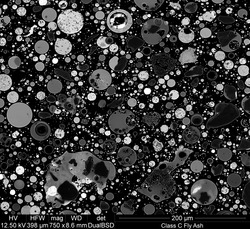
A Cenosphere is a type of hollow microscopic ball that is made up of smooth silica and aluminum and other minor ceramic elements. A Cenosphere is also known as Ceramic sphere. Cenospheres are derived in the coal power plants. It has been used for more than 30 years over the world. It has helped us in improving the qualities of many manufactured products in India. When the coal is burnt in thermal power plants, it produces a fly ash that contains ceramic particles that is made largely of alumina and silica. The particles that are produced in the process of coal burning, produces a part of fly ash. In India, Cenospheres are largely made up of silica, iron and alumina. The size of a Cenosphere ranges from 1 to 500 microns that have an average compressive strength of 3000+ psi. Cenospheres are widely used in a variety of products as fillers in low density concrete. Cenospheres are used in plastic and composite materials that are used for producing bowling balls, surfboards, kayaks, in fire bricks, in floor tiles, in insulating materials and in automotive components. Cenosphere are described as the multifunctional filler that mixes well in binders and resins.

download


Most of the Cenospheres are scooped up or take out from ash ponds. Ash ponds are the place where the fly ash is carried out when the wet disposal takes place in the thermal power plants. Some of the Cenospheres gets collected by themselves at the thermal power plants. The wet microspheres that are collected in the ash ponds are then dried up then processed to specifications and then it is packed up to meet customer requirements. All the Cenospheres that we see are not similar in nature. In fact, all of them are quite different from each other. The property of Cenospheres depends on the consistency of the coal used and it also depends on the operating parameters of the thermal power plant. If the manufacturer makes two things constant, that is, the consistency of the coal used and the operating parameters of the thermal power plants, then the Cenosphere processed would be quite constant.

Monday, 18 December 2017

Top Cenosphere Exporters in India

The word Cenosphere has been taken from two Greek words, that is, Kens (empty) and Sphaera (circle). Cenospheres are hollow circle which is light weighted. It is mostly a part of alumina and silica. They are microspheres which are a result of byproduct of coal combustion in the thermal power plants. When the coal is burnt in the thermal power plants, it produces a fly ash and that is what we refer to as Cenospheres. The fly ash is then weighted down with air or torpid gas. These are then utilized as fillers in the assembling of paints, in plastics lightweight totals for bond, gums; pottery and other organized items. The size and color of the Cenospheres are not at all similar. The chemical composition and structure of the Cenosphere depends largely on the composition of the coal that is generated by them. The thickness of Cenosphere is around 0.4 to 0.8 g/cm3, this property offers them with an amazing daintiness. In India, Cenospheres are further used as fillers as a piece of bond to use it in a low thickness concrete cements. Later on, the manufacturers of Cenospheres have begin filling metals and polymers with Cenospheres so that it can be used in light weighted composite materials with higher quality than variety of foam materials. You can contact Cenospheres exporters in India.

cenosphere-1526701

There are various applications of Cenospheres. Some of them are listed below:
  • Oil well and geo warm establishing
  • Warm protection paints
  • Light weight concrete
  • Spaces make protection
  • Preparing of electrical transformers and curls
Cenospheres are empty and void circle which is light in weight and inactive. It is made up of the maximum part of alumina and silica. These are empty ceramic microspheres that are fly ashes and it is a result of coal combustion. With the help of electric force, the fly ashes of Cenospheres are weighted down with air or torpid gas. It makes most of the fillers as useful in assembling of paints, plastics, lightweight totals for bond, gums; pottery and other organized items.

Tuesday, 21 November 2017

Know How Cenosphere is processed

The word Cenosphere is derived from two Greek words ‘Kenos’ which means hollow or void and ‘Sphaera’ which means sphere or round, that literally means ‘hollow spheres’. A Cenosphere is a type of hollow sphere, light weighted and inert that is made of silica and alumina. It is produced as a byproduct of coal combustion at thermal power plants. Cenosphere are light, hard and rigid, waterproof and insulative. It is excellent light-weight filler. This property of light weight makes them useful in a variety of products, especially in fillers. Nowadays, Cenosphere are used in cement as fillers to produce low density concrete. Now, some of the manufactures have started mixing Cenosphere with metals and polymers to make them light weight. In other words, Cenosphere is also known as Hollow Ceramic Microspheres. The density of Cenosphere is about 0.4-0.8 g/cm3 that is, 0.014–0.029 lb/cu in, this property gives them great lightness. Their color varies from gray to almost white.

imagesyututyut

Cenosphere are occurred naturally as a byproduct of the burning of coal in thermal power plants. The burning process of coal in thermal power plants produces fly ash of coal that contains ceramic particles that is made of Alumina and Silica. The process of coal burning and the fly ash is produced at temperatures of 1,500 to 1,750°C that is (2,730 to 3,180 °F). It is formed through complicated physical and chemical transformation. The chemical composition and structure depends upon the composition of coal that generated them.
Here are some of the uses of Cenosphere:
  • In synthetic foams, Cenosphere are used as filler. It gives us a number of benefits such as adding strength to foam, reducing costs, thermal protection etc.
  • For years, Cenosphere have been used in oil drilling. It is used to lower the density of a petroleum cement paste.
  • It is often used in paints and coating to regulate infra red radiation.
  • The properties of Cenosphere such as re-formable, strength etc don’t let the thermosetting and thermoplastics shrink. This is the reason that Cenosphere is being used for years in manufacturing polymers and plastics.

Thursday, 16 November 2017

Order Strong and Light Weighted Cenosphere from India

Cenosphere are a kind of spherical, hollow, low density and free flowing micro particles. The Cenosphere are produced as a by-product of the coal combustion at coal power plants. The size of these particles varies from 10 µm to 300 µm. It is strong and light weighted and has the capability to resist high temperature. There is a vacuum inside these Cenosphere particles that gives them a good thermal and insulation property. This is the only reason which makes the Cenosphere an ideal product for insulation as well as automotive applications. The automotive applications of Cenosphere include tyres, clutch facings, brake linings and also friction linings. The process of coal burning is performed at the thermal power plants to produce fly ash that generally contains ceramic substances. If the coal composition and the temperature of the boiler furnace is proper or suitable, then some of the particles of the ash produced undergo a rapid change in physical and chemical transformation to produce Cenosphere, otherwise, the particles of Cenosphere are irregular and random in their shape. As mentioned above, that the Cenosphere are light in weight, and therefore, it is primarily used as filler in oil, gas, plastics, buildings, aerospace, and factories, automotive and also in surface coating industries. Therefore, Cenosphere are described as the multifunctional filler that mixes well in binders and resins like thermosetting and thermoplastics. The advantages of buying Cenosphere from manufacturers are as follows:

fly-ash
  • It will surely enhance the flow ability.
  • The strength of the Cenosphere is good and is used in Bonding, internal structure such as asphalt, concretes, paints, ceramics.
  • It also decreases the cost of raw materials.
  • The spherical property of Cenosphere further helps in ball bearing effect for molding and trowel work.
  • If the byproduct of coal is used to produce fly ash then the weight of end product also decreases.
Cenosphere have a property of low warm conductivity. They have exceptional mix of low particular gravity, high pressure, and controlled size, great warm and responsible protecting property. They are generally very hard and flexible, waterproof, light and insulative.

Monday, 6 November 2017

Fly Ash Versus Cenosphere

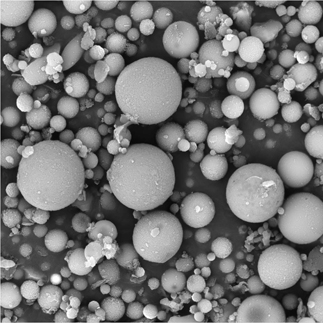
Cenospheres are unique free-flowing particles composed of hollow, hard-shelled, minute spheres. A small portion of the PFA (Pulverized fuel ash) formed from the combustion of coal at the thermal power plant is produced as cenosphere India. It is assumed that only about 1 percent of Cenosphere is produced in fly ash from thermal plants due to their hollow and low-density nature and they float in the lagoons where fly ash is discharged. Cenosphere largely consists of Silica, Iron, and alumina. The size of the particles varies ranging from 1 to 500 microns, having an average compressive strength of 3000+ psi. They are alternatively also referred as hollow spheres, microspheres, microballoons, hollow ceramic microspheres, and glass beads. When the hollow spheres float in the lagoons, they are collected and further isolation is carried by froth floatation and then dried. The final application is carried out in a pneumatic conveying system which is connected to a tribo electric separator. In this separator, the ash is divided into three fractions and the cenosphere particles are then separated from iron and carbon. The end product is then used for a variety of applications.

download

What is fly ash?

As mentioned above, it is considered that only about 1 percent of cenosphere India is produced in the fly ash during the coal combustion in thermal power plant. When coal is burned at a combustion temperature approximately of about 2800oF, the non-combustible ores occurring naturally from coal combustion forms bottom ash and fly ash. According to the cenosphere suppliers in India, bottom ash is a light-weight aggregate component which tumbles to the boiler bottom for collection; whereas, fly ash is carried off with the flue gases. Fly ash particles are then collected and stored in silos for testing and then utilized in different applications for its beneficial chemical and physical properties.

Fly ash material is used widely for its several beneficial characteristics like it increases strength and durability of the application. Further, fly ash particles are less disposed to chemical attacks such as de-icing salts and soil sulfates and thus, alleviate the negative effect of deleterious aggregates.

Cenosphere from India for Wide-ranging Applications

Cenosphere is inert hollow spheres made largely of silica and alumina and is produced in the process of coal combustion at the thermal power plant. Cenosphere from India is primarily used as a weight-resistant component in a number of applications including plastics, rubbers, cement, and resins. It is also used extensively as filler lubricants for oil drilling operations done under extreme temperature and stressful conditions down the hole. Cenosphere particles are also used as mud putty, oil well cementing, and other such applications.

imagesyututyut

Initially, cenosphere particles were used in the United States for a variety of applications as an extender for plastic compounds and were compatible with Latex, plastisols thermoplastics, polyesters, phenolic resins, epoxies, and urethanes. Till now, the compatibility of cenospheres with composites and specialty cement and the adhesive coating has been well identified. And in fact, Cenosphere from India are used widely for a variety of products including insulations, sports equipment, automobile bodies, paints, fire and heat protection devices, and marine craft bodies. Classically, it is applied in Gypsum board (fire, moisture, and soundproof solution for improving the quality of indoor air) jointing compounds, stuccos, veneering plasters, sealants, coatings and cast resins. Undoubtedly, it provides huge benefits to the application like reduced weight, better flow characteristics, improved filler loadings, reduced water absorption, reduced shrinkage, and warping.
Characteristics of cenosphere from India:
  • Lightweight
  • Free flowing
  • Off-white in color
  • Spherical
  • Inert
  • Corrosion Resistant
  • Fire and flame retardant
  • Low density
  • Improved Flowability
  • Low shrinkage
  • Thermal stability
  • High compressive strength
Extensive usage of cenosphere from India for different applications:
  • Ceramics – Castables, tiles, refractories, fire bricks, tiles, insulating, material coatings, aluminum
  • Plastics – injection molding, BMC, SMC, molding, nylon, extruding PVC flooring, film, high-density polyethylene, polypropylene, low-density polyethylene
  • Construction – Mortars grouts, specialty cement, roofing material, stuccos, acoustical panels, Shotcrete, coatings, gunite, and so on
  • Recreation – Kayaks, Marine craft floatation devices, surfboards, bowling balls, golf equipment, lawn and garden décor, and footwear
  • Automotive – Under-coatings, composites, tires, brake pads, engine parts, trim molding, plastics, body fillers, and soundproofing materials
  • Energy and technology – Drilling muds, oil well cement, industrial coatings, aerospace coatings and composites, and propeller blades.

Wednesday, 27 September 2017

Top Reasons Behind the Increase in Export of Cenosphere from India?

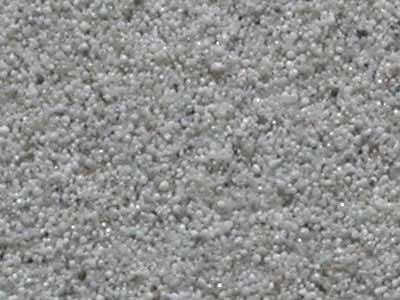
A cenosphere is a lightweight, inert, hollow sphere which is made largely of silica and alumina filled with air and inert gas. Typically, cenosphere India is produced as a byproduct of coal combustion at thermal power plants. Usually, the color of this byproduct varies from gray to almost white, having a density of about 0.4 to 0.8 g/cm3 which gives them a great buoyancy. Combustion is a high-temperature exothermic redox chemical reaction of a fuel and an oxidant, generally, atmospheric oxygen producing oxidized in a mixture of a chemical reaction is termed as smoke. Burning in a fire producing flame, the heat produced can make combustion self-sustaining. This often goes through a complicated sequence of elementary radical reactions. That is solid fuels including wood primarily undergo endothermic pyrolysis to produce gaseous fuels where combustion is supplied to produce more heat.
slideshow_1

The particles of Cenosphere India are hard, rigid, innoxious, lightweight, waterproof, and insulative making them highly useful for a range of products, notably as fillers. Filler particles are mixed with materials such as composite material, plastics, and concrete to lower the consumption and improve some properties of the mixture. Globally more than 555 million tons of fillers are used annually for different applications including paper, paint and coatings, plastics, rubbers, concrete, adhesives, and sealants.  Cenospheres are also used widely as fillers in cement for producing low-density concrete. In recent years, manufacturers also started using cenospheres for filling metals and polymers to make them lightweight composite materials with enhanced strength than other types of foam materials. These composite materials are known as syntactic foam. Aluminum-based syntactic foams are widely used in the automotive sectors.

The combustion at thermal power plant takes place at the temperature of 1500o to 1750o C (2730o to 3180o F) through complicated physical and chemical transformation. However, the chemical composition and structure of Cenosphere India considerably depends on the composition of coal then generated. Basically, the ceramic particles produced in fly ash have three type of structure:
  • Precipitator (solid)
  • Cenospheres (hollow)
  • Plerospheres (hollow with large diameter)

Tuesday, 26 September 2017

A brief About the Particles by the Cenosphere Suppliers India

A Cenosphere is an inert, lightweight, hollow sphere consists largely of silica and alumina and the particles are filled with air or inert gas, typically formed as a byproduct of coal combustion at thermal power plants. However, the 28 years ago the definition was different. Until the 1990s it was restricted to a largely carbonaceous sphere produced by the oxygen-deficient combustion of a liquid fuel drop cooled below the temperature of 200o C (392o F) before it was actually utilized. The fuel cenosphere specified a combustion source by using fuel injected droplets or the open burning of heavy liquids like asphalt or thermoplastic material that used to bubble when burned; this burning of the bubbles produces airborne droplets of fuel. Thus, the fuel cenospheres are sometimes also used as the synonyms with glass microspheres or microballoons. However, in the present days, the Cenosphere Suppliers India hoard the particles with the density ranging from 0.4 to 0.8 g/cm3 (0.014-0.029 lb./cu in) that gives them a great buoyancy. The color of cenospheres ranges from gray to almost white.

                 
cenosphere1

Glass microspheres are tiny spheres of glass manufactured for a broad range of uses including in research, consumer goods, medicine, and several other areas. The spherical size of glass microspheres has a diameter that usually ranges between 1 to 1000 micrometers.

Cenospheres are naturally occurring by-products produced during the burning process at coal-fired power plants. As mentioned above that they are inert, lightweight, and hollow granules comprised largely of silica and alumina, the cenosphere suppliers India don’t consider the particles as a pozzolan. Pozzolans are silicate-based material that reacts with the calcium hydroxide produced by hydrating cement to develop extra cementitious materials. Calcium hydroxide accounts for up to 25% of the hydrated cement which doesn’t contribute to the concrete’s durability and strength. Thus, the pozzolans are mixed with calcium hydroxide to form extra calcium silicate hydrate; the mixture is responsible for holding concrete strength. By consuming in excess:
  • The strength of concrete is improved
  • The density is lowered
  • Efflorescence is decreased

Thursday, 24 August 2017

Are you in Need of Best Cenosphere Suppliers in India?

enosphere is a sort of sialic bead and midget glass particle which is extracted from fly ash in thermal power plants, the reason is that it can be adrift on the water, it is called Cenosphere. It is a chemical composition of SiO2 and Al2O3. With a melting point around 1300° Celsius, Cenospheres stand firm temperatures far higher than any comparable thin-walled hollow glass midget sphere. This extreme temperature flexibility is achieved through unparalleled refractory properties.

cenosphere-1526701

Cenospheres are flyspeck, exceedingly compressive power, super light in weight, frees inundated, with extreme temperature thawing point and non-porous. Cenospheres are utilized primarily as lightweight make weight are involved in the oil and gas, plastics, building, refractory, constructions, footwear, composites, automotive, recreation & coating industries. Cenospheres are available in both gray and white to suit the required application.

Cenosphere is a complete material in oil cementing work. It is normally extracted from coal fly ash, and also can be semi synthetic. The cost of semi-synthetic Cenosphere is greater than that from coal fly ash. Coal material, combustion mode, and Boiler Efficiency on a great deal affect the Quality of Cenosphere.

Cenosphere is utilized as weightlessness intermixture for oil-well cement in a wide range due to its construction features as hollow, closeness, thin wall and fine grains, and its physical properties such as low density, extreme intensity, and constant performance, it can ameliorate liquidity of cement slurry, delay light weight time of cement slurry, ameliorate the anti-gas guiding ability of cement slurry, power up the stability of the cement slurry, and it can react with the cement hydration products and developed compounds have gelation property, ameliorate the cement slurry's power, heat resisting property and corrosion resistance, lower heat conductivity coefficient and permeability of cement stone.

Likewise, Cenosphere Suppliers in India utilizes it for cementing; Cenosphere can be utilized for painting, thermal insulation material, and construction material, refractory and so on as well.
India is an inevitable exporter of Cenosphere, and strong competitors are China and Russia, especially China. With Cenosphere Suppliers in India paying much more attention to the environment, coal fly ash abridges a lot, and it influences Cenosphere productivity.

Friday, 18 August 2017

Properties of Cenosphere Available in India

Cenospheres are the sphere of inert hollow silicate. Cenospheres primarily utilized to abridge the weight of types of cements, Rubbers, Plastics, Resins, etc. utilized all-encompassing as filler lubricants in oil drilling procedure under eminent heat and eminent stress conditions down the hole. Also utilized as oil well cementing, mud putty and similar applications.

images (1)

Cenospheres were earlier utilized in the United States as an extender for plastic compounds, as they are well matched with thermoplastics, Phenolic resins, Latex, Epoxies, Polyesters, and urethanes. The compatibility of Cenospheres with particular types of cements and adhesives coating and composites have been well identified.

PROVIDING THE ADVANTAGES OF
  • reducing weight,
  • less shrinkage and warping
  • Reduces water absorption.
  • increased filler loadings,
  • better flow characteristics,
WHAT WE CATER

We cater complete project profiling of Cenospheres infusion and Processing Plant and Fly Ash dressing plant along with process technology.

PROJECT SPECIALTIES

Generally Cenosphere in India are being gathered from the ash ponds owing to its irrepressibility characteristics. These are skimmed out, washed, dried and sifted out as per customer’s specification for marketing. Due to immense requirement in international market for quality material, costs have gone up to a great extent whereas reach of collection from ash ponds still remains very limited without much reach for quality authority.

Well-nigh, all the ash ponds are now under control of local mafia who; for raw Cenosphere in India, charge high price without vouching any quality whatsoever. Besides quality discrepancies, collection from ash ponds remains stingy - leading to practice of mixing ash with Cenospheres without principle or scrupulous. WHEREAS in our developed process technology, one does not need to depend on collection from ash ponds at all and can extract Cenospheres right from the dry fly ash of thermal power plants. The process is a part of nanotechnology and a mergence of dry and wet process. By virtue of total control on the processes, one stands to extract reproducible quantity and quality of Cenospheres. The process generates zero outflowing and is therefore entirely non-polluting and ecofriendly.

We are a team of techno-research people having our roots in the India consecrated to the development of Cenospheres extraction and fly ash beneficiation.

Tuesday, 25 July 2017

Work on Cenosphere Marketing with Cenosphere Exporter

Cenosphere are generated during the combustion of coal for energy production, is an, to enhance the ability to extract high purity carbon and ash for the production of, the micron separator has the potential to be applied in Cenospheres recovery, with a variable air motor, a solvent recovery tank and 60-mesh stainless steel and it is exported by Cenosphere Exporter.

Coal Ash "Cenospheres", even though, generally speaking, hollow and light in weight, are still made of the same stuff as Coal Ash, and can thus act as a "pozzolan" in Cement and Concrete mixtures; that is, they can react with the free lime in Cement in a way which forms a stronger chemical binder.

One component of fly ash is Cenospheres, which are spherical inorganic hollow micro particles comprising the lightest component of fly ash. Cenospheres typically comprise approximately 1%-2% of fly ash and can be recovered or "harvested" from fly ash. There is currently a great demand for strong and lightweight materials that are easily and economically manufactured. Such materials have long been sought by the construction and automotive industries to increase the strength, durability, and resilience of structures while reducing the weight of the structure.  In an embodiment of the present invention, an aluminous siliceous material can comprise a plurality of Cenospheres. The pozzolan of the pozzolan foam material can comprise about 50% to about 90% of the foam material. In an embodiment of the present invention, the plurality of Cenospheres can comprise about 50% to about 90% of the foam material.

Fly ash particle formation in the recovery boilers has been studied, energy production and recycling of pulping chemicals, recovery boilers can be, Cenospheres are, including the sample extraction system and the measurement devices, the laminar flow, the particles 50–500 µm in size settle on stainless steel.

We've made our self a number one Cenosphere Exporter in India over the past few years concerning the use of Cenosphere  in the manufacture of various building and construction products - - in addition to and separate from those reports affirming and documenting the great current and potential value of consuming solid Coal Utilization Byproducts in the making of Cement and Concrete.

Friday, 21 July 2017

Are you Searching a Reliable Cenosphere Supplier in India

Cenospheres is one kind of light weight material with more function for petroleum field. Its main compositions include SiO2 and Al2O3, and whose color is light gray or white. Extracted from pulverized fuel ash from coal-fired power stations hollow alumina-silicate Cenospheres or microspheres are versatile lightweight filler with applications in a variety of industrial and commercial products.

Cenospheres-in-India

Cenospheres In India are filler used to replace minerals and resins where the benefits may be as diverse as weight reduction, improved thermal insulation, reduced shrinkage, improved fire resistance or simply easier application.

 Cenospheres range from 5-500 microns. A variety of standard grades is available with very accurate particle size top cuts and distribution ranges. Cenospheres in India are widely used in oil drilling cementing.

Various high value added products developed using Cenosphere as raw materials are found to be economically viable as discussed here.

The use of carbon derived from Cenosphere as an adsorbent for waste water treatment and its use as filler for rubber industry has been established.

The use of Cenosphere for the manufacture of high wear resistant tiles appears to be viable as a substitute for high alumina ceramics for various abrasion and wear resistant applications.

The use of Cenosphere in India alloys is about to be a commercial reality following its success on the pilot scale. The characterization of mechanical and tribological properties of ash alloys developed show that if possesses superior abrasion resistance, hardness, compressive proof strength, and elastic modulus compared to matrix aluminum alloys without any ash.

Coal ash mineral wool is produced abroad based on well-developed reliable technology. The quality of coal ash wool manufactured is comparable to the properties of conventional mineral wool at much lower prices.

A Cenosphere composite wood substitute developed in India using 25-35% Cenosphere is considered to be low cost and better alternative to ordinary wood. It has advantages over cellulose products, plywood and fiber board for all domestic and household applications.

Floater based light refractory materials developed are found to save 50% more energy compared to traditional refractory in furnace linings.

Products like ceramic fibers, foam insulation products, continuous casting mold powders, decorative glass are other potential technologies are under development. The full viability implications of the can be assessed after they are tried on pilot scale level.

Cenospheres are now being successfully used as fillers in plastic like nylon and polypropylene. Size classified coal ash can successfully substitute various other fillers like aluminum hydrate, calcium carbonate, kaolin, mica, and tale and ground silica. Their applications have been well established in wall board, joint compounds, carpet backings, vinyl flooring, plastics and industrial coatings, etc.

Refuse fire abatement using Cenosphere injections has proved to be a safe and effective technique. Control of the process using temperature criteria has been shown to be reliable. On projects where steep slopes are burning or access to the burning area is difficult, Cenosphere injection has been the most economical and at times the only effective method of fire abatement.

Sunday, 16 July 2017

Here is Reliable Cenosphere Supplier from India

First I’ll let you know that what Cenosphere is?? Cenospheres are hollow, light gray, thin-walled ceramic (alumino-silciate) microspheres which are very strong, non-flammable, chemically inert and temperature resistant up to more than 12000c. They are very easy to handle, have high insulation characteristics and due to their inert properties, they remain unaffected by solvents, water, acids, and alkalis. Owing to all these positive sides, Cenospheres have been vastly employed in various industries. The rising call for Cenosphere from end-user industries such as automotive, oil gas will positively wallop the market for Cenospheres.

Cenosphere suppliers

The global Cenospheres market has been analyzed with respect to different parameters such as demand, supply, end-users and Cenosphere suppliers. Cenospheres have wide usage in tires, refractory materials, insulating materials, roofing materials and engine parts, composites/FRP etc.

Cenosphere performance:
  • It can improve rheology, reduce the viscosity, and reduce the weight of the article.
  • high filling capacity, reducing the using amount of binders
  • chemical stable
  • fire resistance, can be used as fireproofing paints
  • Heat preservation, thermal resistance, and sound resistance.
Generally, Cenospheres are being garnered from the ponds of ash owing to its buoyancy characteristics. These are skimmed out, washed, dried and sieved as per client’s specification for marketing. Due to huge demand in the international market for the quality product, prices have gone up to a great extent whereas the scope of collection from ash ponds still remains very limited without much scope for quality assurance.

Cenosphere Suppliers  Pride their selves on the products and services they deliver, bringing people, materials, and energy together in constructive ways. They act as a conduit, building and growing supply chains between the power station sources and the end users of ash based products in the construction and manufacturing industries

Cenosphere Supplier’s team includes some of the most experienced ash service professionals in the industry and they all share a passion for delivering an unrivaled service. Their combined experience keeps Power Minerals at the forefront of the industry. They proffer consummate project profiling of Cenospheres Extraction and Processing Plant and Fly Ash beneficiation plant along with process technology.

Thursday, 29 June 2017

Cenosphere Suppliers India – For a Variety of Uses

Cenospheres are natural occurring particles which are produced during the burning process at the coal-fired power plants as a by-product. These are lightweight, inert, and hollow sphere particles that comprise largely of silica and alumina and are filled with inert air or gases as they are classically produced as a by-product of coal combustion. Considering their size they consist of high compressive strength and thus, the Cenosphere suppliers India hoard the fly ash particles for using it as structural lightweight filler. Cenosphere holds some of the chemical and physical properties that are mentioned below. Have a look.
Chemical properties:
  • Silica: 48%-75%
  • Alumina: 26%-45%
  • Iron: 1.5%-4.0%
Physical properties:
  • Bulk density: 0.20-.025 grams per cubic centimeter (g/cc)
  • Particle size: 75-400 microns
  • Specific gravity:
  • Softening point: 1040-degrees C
  • Compressive strength: ~90% survival @ 2500psi
  • Color: white to dark gray
Now, that you have gone through the chemical and physical properties, let’s understand that for what variety of uses the demand for Cenosphere Suppliers India is on rise.
  • Lightweight aggregate –Considering the lightweight aggregate, cenospheres can be used for replacing some normal-weight sand particles because they have a density of 0.7 which is lower than water, i.e., 1.0, whereas quartz sand particles have a density of 2.65 on an approx. Moreover, there is a prime advantage of cenosphere particles over the other lightweight aggregates and it is that they are generally invisible when mixed in the concrete even if it is refined.
  • Workability enhancer – As a matter of fact, cenosphere particles comparatively have small spherical particles and thus, they are treated as microscopic ball demeanors when mixed in a concrete. Blending the cenosphere particles with the normal weight concrete mix will result in the improved workability because of the ball bearing effect.
  • Bulk filler – Since the Cenosphere Suppliers India deliver extremely fine coal fly ash particles, they are ideal for use in cement grout slurry as cenosphere increases the volume of grout without the need of adding more cement to the mixture and also the aggregate gradation reduces shrinkage.

Wednesday, 21 June 2017

Rising Demand of Cenosphere exporter for Different Composites

A cenosphere is a lightweight and hollow particle that contains a large amount of silica and alumina and inert gases. The particles are produced as a by-product at thermal coal power plant. The color of these fly ash particles varies from white to dark gray and their specific gravity ranges in between of 0.4 to 0.8 g/cm3 which makes the particles extremely lightweight that are suitable to use as fillers. Due to its physical and chemical properties, the particles are appropriate to use in a variety of products including insulation, sports equipment, automobile bodies, paints, marine craft bodies, and fire and heat protection devices. And as it offers great advantages like increased filled loadings, reducing weight, less shrinkage, better flow characteristics, and reduced water absorption, the demand of cenosphere exporter has extremely increased within the last few years.  An appropriate set of matrix and such fillers at specific weight fractions can lead to a preferred combination of properties in syntactic foam. However, available carbon and iron contents are responsible for the quantity of the ash produced.

Composites of cenosphere:

Alulite – This is a saturated matrix complex of calcined alumina and cenosphere. It contains the inflexibility of high alumina tiles; however, it has improved thermal power for shock resistive property and is relatively light in nature. Thus, a compound strength of the composite can be increased by adding cenosphere contents to it.

Ashref – The cenosphere exporter supply the fly ash particles based refractories that are lightweight and have great thermal shock properties. Despite their relatively low cool pounding quality, they are warmed up again and again at 1100o c and cooled to 25o c without infuriating their structural integrity.

Keralite – These cenosphere-based rigid headed composites consist of an arrangement of hollow spheres and are blended at their purpose of contact. The cenosphere exporter India has stated that producing creative aptitude has been urbanized to make Keralite. However, it is extremely tough to produce such a product because of low shear resistance of the fly ash particles produced at a thermal power plant.

Thursday, 8 June 2017

Cenosphere Suppliers India for Every Type of Ash Requirement

Undoubtedly, electricity is the key to the economic development of a country and in a country like India, coal is a major source for generating electricity. And during the production process of electricity, a large amount of fly ash is produced as a by-product at a thermal power plant. Fly ash is a fine powder produced from the combustion of coal, which is then transported through the flue gases of the boiled and composed in the Electrostatic Precipitators (ESP). Cenosphere suppliers India are known for converting the waste material into a useful product. As the cenosphere particles are produced from the fly ash at the thermal power plants, they are widely used as fillers to lower environmental concerns associated with the disposal in landfills and also, the cenospheres are inexpensive to use. Thus, the hollow sphere and lightweight particles are ideally best suited to make a lightweight concrete mix. However, the effect of size and content of cenosphere depends upon their distribution on the acoustic and mechanical properties.
Basically, the Cenosphere suppliers India supplies four types of ashes that are produced at the thermal power plant. They are:
  • Fly ash – The fly ash is mined from the flue gases through ESP (Electrostatic Precipitator) in dry form. This kind of ash is fine material and consists of good pozzolanic property.
  • Bottom ash – Fly ash is collected at the bottom of the boiler furnace and relatively it is a granular material that contains a large amount of unburned carbon. It possesses little or zero pozzolanic property.
  • Pond ash – When the bottom and fly ashes are mixed together in any amount of proportion along with the large quantity of water for producing it in a slurry form and then it is deposited in ponds where the water is worn out of the mixture. And thus, the deposited ash is known as pond ash.
  • Mound ash – When bottom ash and fly ash is mixed with any amount of proportion and then placed to produce it in a dry form in the mound shape, then it is called mound ash.

Friday, 26 May 2017

Demand of Cenosphere exporter in Various Industries

A cenosphere is an inert, lightweight, and hollow sphere that is largely made up of silica and alumina filled with air and inert gas, which is usually produced at thermal power plants as a byproduct of coal combustion. Generally, the color of the cenosphere ranges from gray to almost white with a density of about 0.4-0.8 g/cm(0.014-0.029 lb/cu in) which contributes as a great buoyancy. As a result, cenosphere is exclusively considered as a free flowing powder that is comprised of hard-shelled, tiny, and hollow spheres collected from coal ash. Because of these qualities, the demand for the cenosphere exporter has immensely increased as the byproduct consist of higher particle strength, lower value of thermal conductivity, ultra-low density, and impermeability that is suitable for its usage in various industries. The particles are 75% lighter compared to other different minerals which are used as fillers in clay, talc, and calcium carbonate and 30%, furthermore, lighter than general pitches. The great finished outcome of cenosphere is immeasurable like tiles of space boats, flying machine coatings and oil well bonds.
cenospheres-250x250.jpg
However, several techniques have been evolved over the last 50 years to mend the metal values from the coal ash. Different studies have focused on the extraction of alumina, carbon, magnetite, cenosphere, and several other metal values. The elements present in coal ash, aluminum, and iron have been tested by the cenosphere exporter to ensure the quality of the particles. Regaining of element components from coal ash has been proficient for its use in the both physical and chemical processes.
For recovering the major constituents of coal ash, a chemical processed test is been formulated and scaled-up in four general categories, that is:
  1. Hydrothermal leaching
  2. Sinter-leach
  3. Gas solid reaction
  4. Direct reduction
Therefore, the cenosphere exporter exports the fly ash particles to multiple industries for various purposes:
  • Foam insulation
  • Coal ash mineral wool
  • Fly ash fire bricks
  • Decorative glass
  • Filler application
  • Light weight refractories
  • Fire abatement application

Thursday, 11 May 2017

Rising Demand of Cenosphere Suppliers India

Cenospheres are hollow, low-density, spherical, and free-flowing aluminosilicate microspheres that are produced as a by-product of coal ignition at the coal-fired power plants. It is a rich-in-ceramic industrial waste formed at the time of coal combustion in the thermal power plants. Inside the each sphere there is a near vacuum that produces good properties of thermal and acoustic insulation making a product ideal for automotive acoustic insulation applications where the mass is a major factor to be considered. These spheres are used globally in several automotive application including tyres, brake linings, friction linings, dashboard, and clutch facings. The broad range of usage has increased the demand of cenosphere suppliers India in the industry.
Lightweight-Aggregate-Fly-Ash-Cenosphere-Powder-for.jpg
According to the global market report, cenospheres are providing emerging opportunities along with the future effects of major drivers and challenges that support the managers to make cost-effective decisions in favor of the business. The market report measures the major opportunities for the cenosphere suppliers India in the marker and underlines the factors that are responsible for the growth of the industry. The increasing demand from end-use industries including refractory, construction, paints and coatings, and oil and gas, which is expected to take the market to the next level in the near future.  However, restricted sources of raw material and deficiency of quality control across developing countries are key factors that may restrain the growth of the industry.
The Gray Cenospheres segment is estimated to experience the highest growth in the upcoming years because of its wide uses across the industrial segment. The demand will increase also because the gray cenosphere is produced more frequently as compared to the white cenosphere in fly ash. The demand for gray cenosphere suppliers India is rising because they deliver quality material which contains a low content of alumina and is high in silica and iron content that is used in a number of applications such as plastics, concretes, coatings, resins, bricks, and rubbers